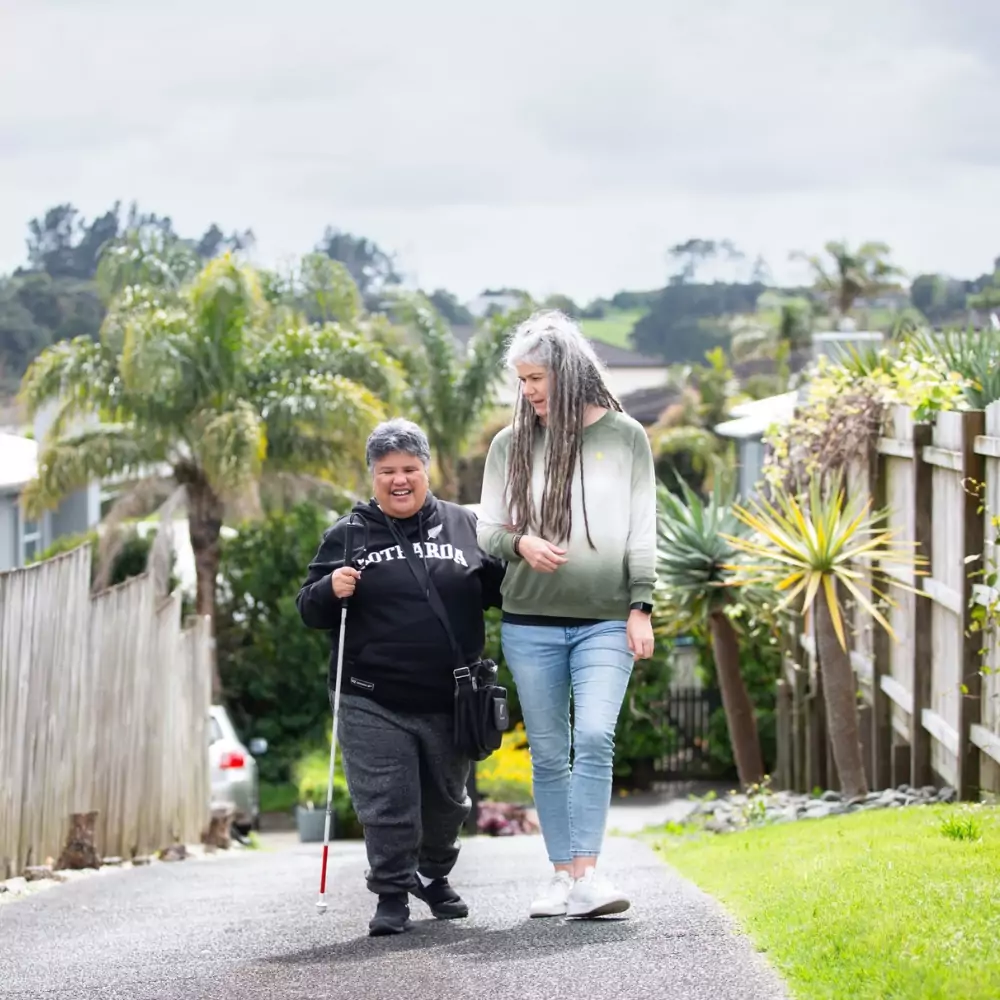
Belonging matters

Published:
September 9, 2026
Article type:
Keywords:
Belonging is feeling valued, accepted, and connected to others. It is a fundamental part of our wellbeing and plays an important role in maintaining good mental health.
This Mental Health Awareness Week, the theme Belonging Matters challenges us to help create communities where everyone feels seen, appreciated, and like they belong.
Why belonging matters
Research shows that a strong sense of belonging is linked to better mental health outcomes. Supportive relationships, connection to community, and trust in others all help to improve wellbeing. For many people, these connections are becoming harder to maintain. Since Covid-19, feelings of isolation and loneliness have become more common.
When you’re feeling alone, taking that first step towards connection can be difficult. Sometimes, the easiest step can be getting involved in communities, schools, workplaces, and sports clubs that make people feel valued and included.
Te Whare Tapa Whā
Introduced by Sir Mason Durie in 1982, Te Whare Tapa Whā is the holistic Māori model for thinking about health and wellbeing. It’s a helpful tool to look at all aspects of wellbeing.
Each pou or post represents a different aspect of health and wellbeing. If any pou is missing or damaged, the whare will not function properly.
- Taha Tinana – physical health.
- Taha Wairua – spiritual health, sense of identity.
- Taha Whānau – family and community health.
- Taha Hinengaro – mental and emotional health.
- Whenua – land and roots, the foundation the whare stands on.
Even with all four aspects of health and wellbeing strong, a whare can become unbalanced and fall if it’s not on a solid foundation.
Whenua is the space that is special to a person. This could be a place, mountain, river, town, or country. It can connect people to their ancestors, their whakapapa, and to traditions or cultural practices that matter to them. It is the place that gives them identity, makes them feel supported, and gives a sense of belonging.
Belonging fits mainly under Taha Whānau. This is about belonging to, and being part of, a community. That could be family, whānau, sports teams, workplaces, schools, or social groups.
Nurturing your own sense of belonging
Taking the first step can feel overwhelming, especially if you don’t have a set community like school, work, hobbies, or sports clubs around you.
You could:
- get involved in a local sports club
- join in whānau, school, or work events
- have regular catch-ups with friends
- video call whānau who don’t live close by
- join a class, group, or hobby that interests you
- reconnect with an old friend
- spend time at a place that feels special to you.
It’s normal to feel anxious taking that first step. If your connections start to slip, this can affect other sides of your whare, which is why it’s important to remain open and put yourself out there.
Helping others feel a sense of belonging
Everyone deserves to feel connected, and that is something we all have the opportunity to help with.
You could:
- say hello to someone you pass on the street
- help a neighbour with their chores
- bring someone along to a group activity or event
- check in on someone you haven’t spoken to in a while
- introduce new colleagues, classmates, or friends to others
- ask someone how they really are, be patient and take the time to listen.
Sometimes the smallest actions make the biggest difference.
These small gestures not only help you feel more connected, but they can help the other person feel comfortable enough to open up about what’s going on for them.
Learn more with MH101®
Blueprint for Learning’s MH101® workshop is focused on mental health, including how to recognise when someone is experiencing mental health challenges and how to support them, while maintaining your own wellbeing.